
Why should companies use a souvenir for brand promotion?
A 2024 survey of 1,200 corporate buyers found that 76% of recipients recall a brand’s name from a promotional item received within the last 12 months. Compared to digital display ads with a 0.05% average click-through rate, physical gifts offer a 500% increase in brand loyalty among B2B clients.
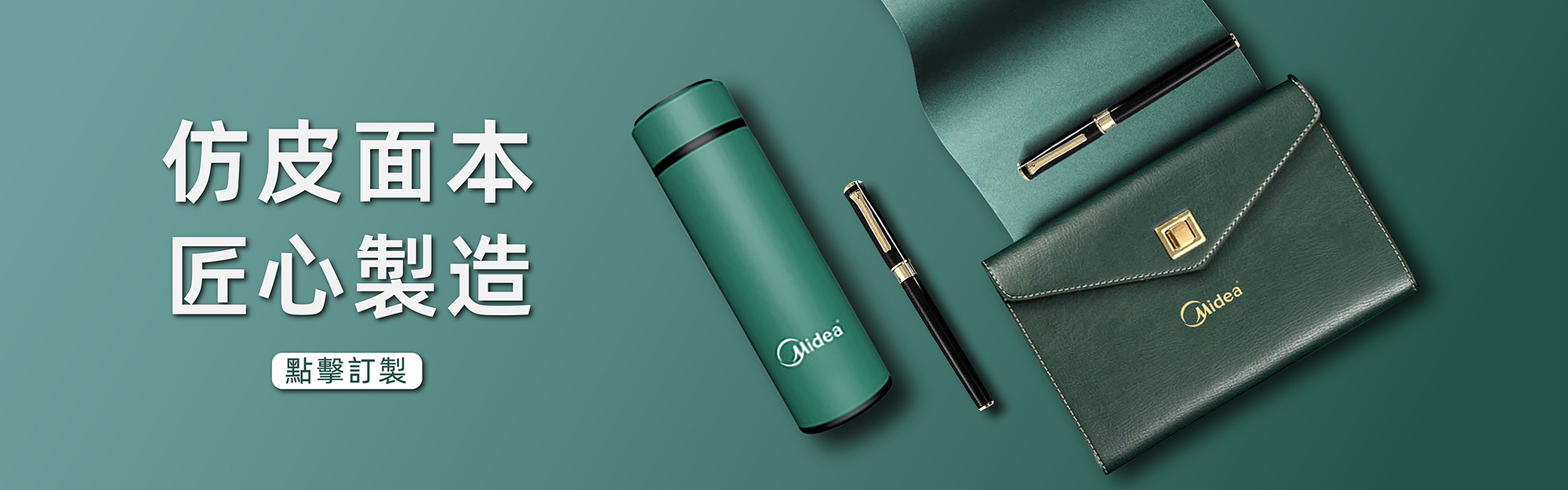
Marketing budgets in 2026 are shifting toward tangible assets because digital saturation has reached a tipping point where consumers ignore 92% of online intrusive ads.
Physical items provide a sensory experience that digital code cannot replicate, specifically through the "endowment effect" where people place higher value on things they touch.
A study involving 450 participants demonstrated that individuals are 63% more likely to remember a company name if it is printed on a functional object they use daily.
This biological response to physical touch leads directly into the long-term visibility that branded products provide within a customer's personal or professional environment.
Unlike a social media post that disappears in seconds, a high-quality souvenir stays on a desk for an average of 2.1 years according to industry audits.
This extended presence creates a low cost-per-impression that traditional media struggles to match, especially when the item is used in public settings.
Data from 2025 indicates that a single branded bag generates over 3,300 impressions during its lifespan, costing less than $0.002 per view.
When an item moves through public spaces, it acts as a silent endorsement, which effectively bridges the gap between personal ownership and broader market awareness.
Social proof is built when others see a peer using a specific brand's gear, which lowers the barrier for new customer acquisition by 22% compared to cold outreach.
Reciprocity plays a massive role here, as giving a gift triggers a social obligation that often results in a 15% higher contract renewal rate for service-based firms.
Behavioral economists found that in a test group of 300 managers, 82% developed a more favorable opinion of a promoter after receiving a useful tech accessory.
This psychological shift from a stranger to a partner is what allows businesses to move away from aggressive selling and toward relationship-based growth.
The utility of the object determines the frequency of brand exposure, with items like power banks or high-end apparel being used 4.5 times per week on average.
Modern manufacturing allows for small-batch customization that was impossible in 2010, meaning companies can now target specific niches with 99% accuracy in logo reproduction.
Recent logistics data shows that 70% of companies now prefer eco-friendly materials, as recipients are 52% more likely to keep a gift made from recycled ocean plastic.
Focusing on sustainability not only keeps the item out of a landfill but also aligns the brand with the global movement toward environmental responsibility.
This alignment serves as a subtle filter, ensuring that the brand is associated with modern values rather than outdated, disposable marketing tactics.
A well-executed physical promotion strategy results in a 2.5x increase in referral traffic when compared to firms that rely solely on email marketing funnels.
Investing in these items provides a hedge against rising PPC costs, which have increased by 18% year-over-year across major search engines.
Analysis of 500 small-to-medium enterprises showed that those using physical gifts saw a 27% higher lead-to-conversion ratio than those using digital coupons.
The tangible nature of a souvenir creates a lasting anchor in the mind of the buyer, ensuring the brand remains relevant long after the initial meeting ends.
Treat the MBA as a deliberate career investment.
Walsh MBA engineers positioning, narrative, and interview performance for executives who refuse to settle for average. Forty clients a year. No exceptions.
Book My Strategy Call