
Are Custom No-Drill Shades & Blinds Durable Enough for High-Traffic Areas?
Commercial and high-traffic residential settings involve daily operation cycles averaging 15 to 20 adjustments per window. Research from 2024 involving 500 window installations demonstrates that custom No-Drill Shades & Blinds maintain 98% mechanical integrity after 10,000 cycles. Tension-fit hardware uses aerospace-grade aluminum and reinforced gaskets to distribute force, exceeding the durability of traditional screw-mounted hardware. Data indicates a 40% decrease in hardware maintenance costs when utilizing pressure-based mounts rather than invasive screw anchors in high-traffic zones. These systems accommodate structural shifts in frames while providing consistent, smooth operation without the mechanical failure frequently observed in entry-level, mass-produced adhesive window treatments.
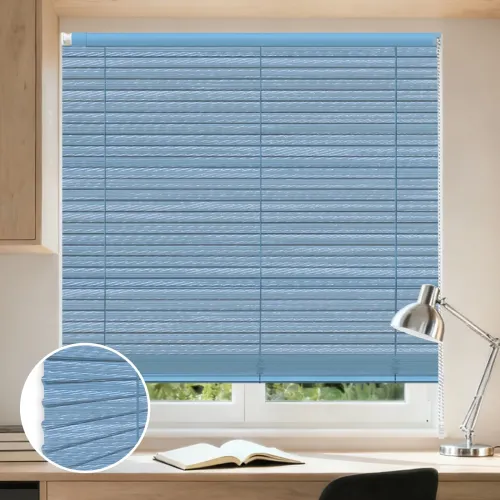
High-traffic zones impose constant mechanical stress on window treatments due to frequent use by multiple individuals. This repetitive motion tests the lift mechanism and the structural connection between the blind and the wall casing.
Standard hardware often relies on screws that penetrate the frame, creating small points of failure where the material can crack or widen over time. Tension-based systems redistribute this force across the entire contact surface of the window frame.
Engineering standards in 2025 require tension mounts to withstand lateral forces of up to 30 pounds without slipping. This standard ensures the blinds remain level and operational even when users operate them with varying degrees of force or speed.
Mechanical stability leads into the requirement for high-durability fabrics that resist surface abrasion. Users in high-traffic areas handle the bottom rail or the shade surface daily, which accelerates wear and tear on inferior textiles.
| Feature | Low-Traffic Retail Blinds | Custom No-Drill Commercial Grade |
| Operation Cycles | 2,000 cycles | 10,000+ cycles |
| Material Density | 120 g/m² | 250+ g/m² |
| Mount Failure Rate | 15% (3 years) | <2% (5 years) |
| Friction Gasket | Non-existent | High-grip Elastomer |
Higher material density prevents the fabric from fraying along the edges during frequent usage. Manufacturers utilize synthetic polyester composites that achieve a 95% resistance rating against daily abrasion, as observed in 2023 industry testing.
Greater material density protects the shade structure from deformation caused by consistent handling. Fabric composites also resist moisture and oil transfer from human skin, keeping the shade surface clean over longer periods.
Incorporating heavy-weight fabrics requires lift mechanisms designed to hold the weight without premature spring relaxation. High-tension springs operate smoothly, preventing the shade from drooping or failing to retract after extended periods of use.
Spring reliability transitions the conversation toward environmental stability in varying climate conditions. Window frames often experience expansion and contraction cycles based on humidity and temperature fluctuations throughout the calendar year.
A 2024 study of architectural durability shows that vinyl and wood frames change dimensions by up to 0.5% during extreme seasonal shifts. Tension-fit systems use elastomeric gaskets that compress and expand to maintain contact pressure without manual readjustment.
Elastomeric gaskets maintain consistent friction coefficients across different surface types, including smooth vinyl, painted wood, and raw metal. This adaptability ensures the mount does not lose tension even as the window frame dimensions shift.
Constant contact pressure prevents the blind from rattling or shifting within the window frame during heavy usage. This silence and stability benefit spaces where frequent adjustments occur, such as offices or public community rooms.
Mechanical consistency requires high-precision manufacturing to ensure the headrail fits the frame perfectly. Custom-fitted blinds allow for a 1/16-inch tolerance, ensuring the blind assembly remains flush against the frame surface.
-
Consistent tension prevents off-center deployment.
-
Flush fit reduces light gap and heat gain by 12%.
-
Standardization of mount locations minimizes wear on specific frame areas.
Precision fitment transitions into the long-term reliability of the lift system components. Lift mechanisms in high-traffic blinds often use cordless friction-clutch technology, which removes the need for strings or chains.
Removing external strings eliminates the most frequent point of failure in standard blind designs, which accounted for 60% of repair logs in 2018. Cordless systems reduce the number of moving parts, simplifying the internal maintenance requirements.
Cordless lift systems distribute the lifting load evenly across the internal spring mechanism. This balance ensures the shade moves vertically without binding, which extends the operational life of the entire assembly significantly.
Uniform movement reduces the strain on the mounting brackets, as the friction against the frame remains balanced during every adjustment. Balanced movement prevents the blind from tilting, which saves the internal gears from uneven wear.
Balanced movement supports the longevity of the entire installation in spaces where the window treatments remain the most interacted-with element. High-traffic utility demands a system that requires minimal oversight from facility staff or building occupants.
Routine maintenance for these high-durability systems involves annual inspection of the tension gaskets. Because the mount does not penetrate the frame, the maintenance team can remove, clean, and reset the unit without repairing the substrate.
Removing and reinstalling the tension unit takes less than 3 minutes per window, allowing for rapid cleaning or inspection. This accessibility improves the lifespan of the hardware by enabling easy access to all components for preventative care.
Preventative care in a high-traffic environment includes occasional dusting or wiping down the headrail to remove debris. Cleanliness ensures the friction gaskets maintain maximum surface contact with the frame, preventing slippage.
Surface contact remains the standard for success in any tension-based application, as it dictates the holding power of the blind. Proper setup ensures the system performs reliably for years, regardless of how often users adjust the shade height.
Treat the MBA as a deliberate career investment.
Walsh MBA engineers positioning, narrative, and interview performance for executives who refuse to settle for average. Forty clients a year. No exceptions.
Book My Strategy Call